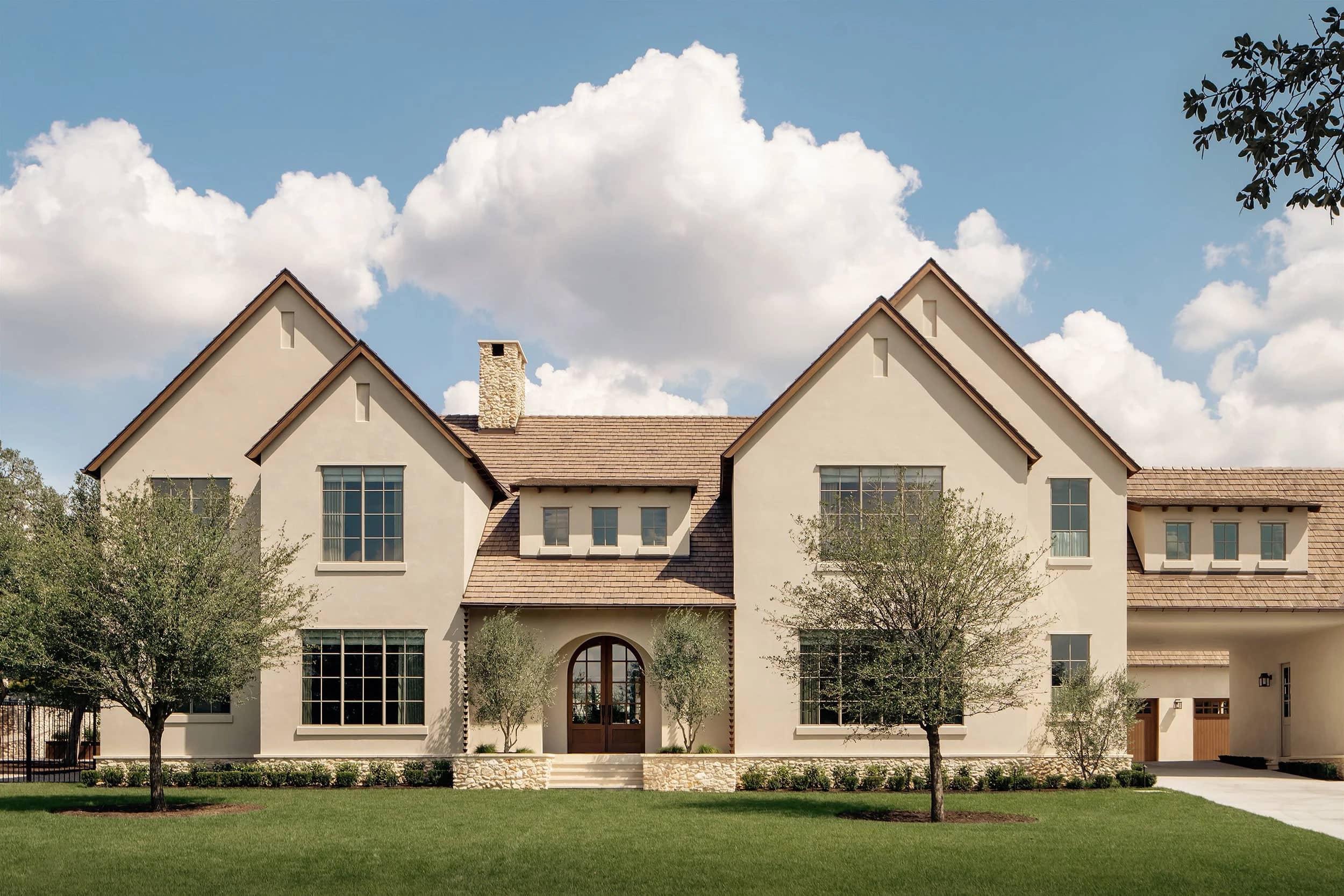
Pemberton Heights, the top of the ZIP
Twelve sections of deed-restricted lots laid out from 1927, the oldest and largest houses in 78703, and the only neighborhood in it with no condominiums for sale.
5 homes for sale in Pemberton Heights
See active listingsOn the market
Pemberton Heights right now
Every residential listing whose location falls inside the Windsor Road planning area, south of Northwood Road, in 78703. That is the boundary the City of Austin publishes, cut along the street centerlines the Census records, which is how one planning area serves several neighborhoods without any page guessing. From Unlock MLS through MLS Grid as of October 16, 2026 at 11:24 PM CDT. Closed sale prices are not shown: Texas is a non-disclosure state, so every figure here comes from asking prices and days since listing.
- For sale
- 4
- Median asking
- $4,850,000
- Median per sq ft
- $894
- Median days listed
- 79
All 5 of them, newest first. Sort by price either way below. Everything across 78703, filters and all, is on its market page.
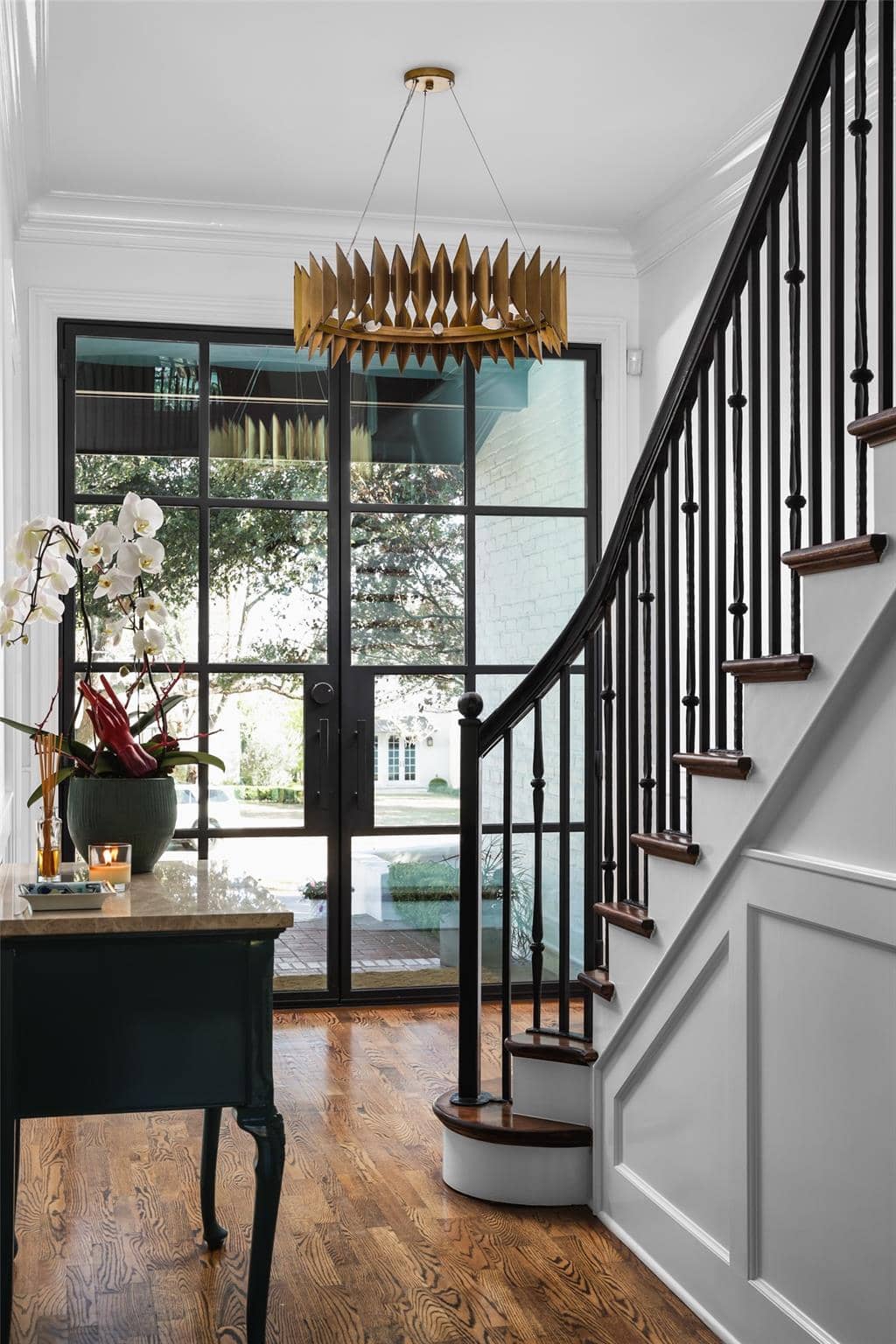
2604 Wooldridge
$5,950,000
Single Family Residence · 78703 · 39 days · listed by Gottesman Residential R.E.
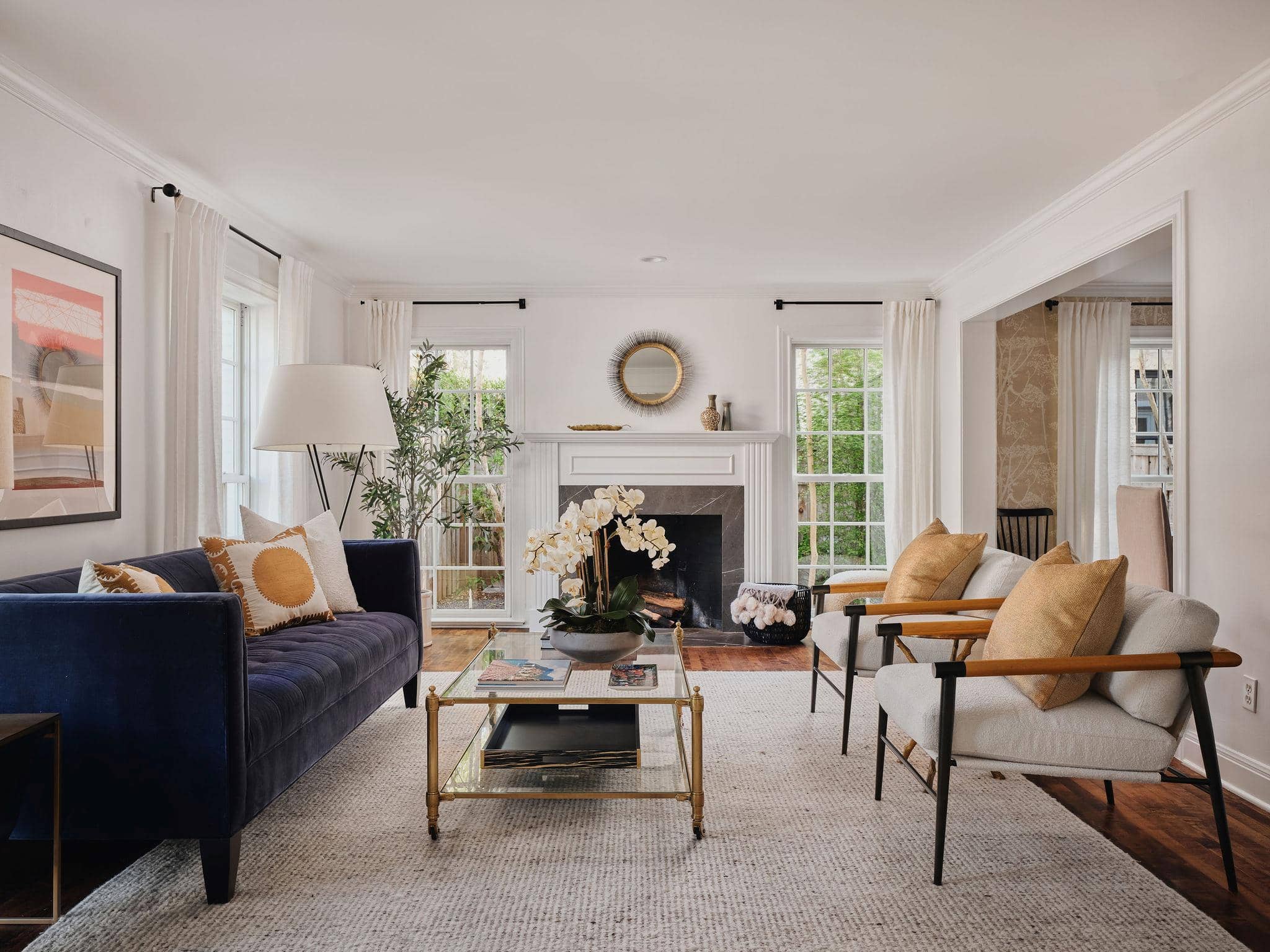
2412 Jarratt
$3,750,000
Single Family Residence · 78703 · 58 days · listed by Gottesman Residential R.E.
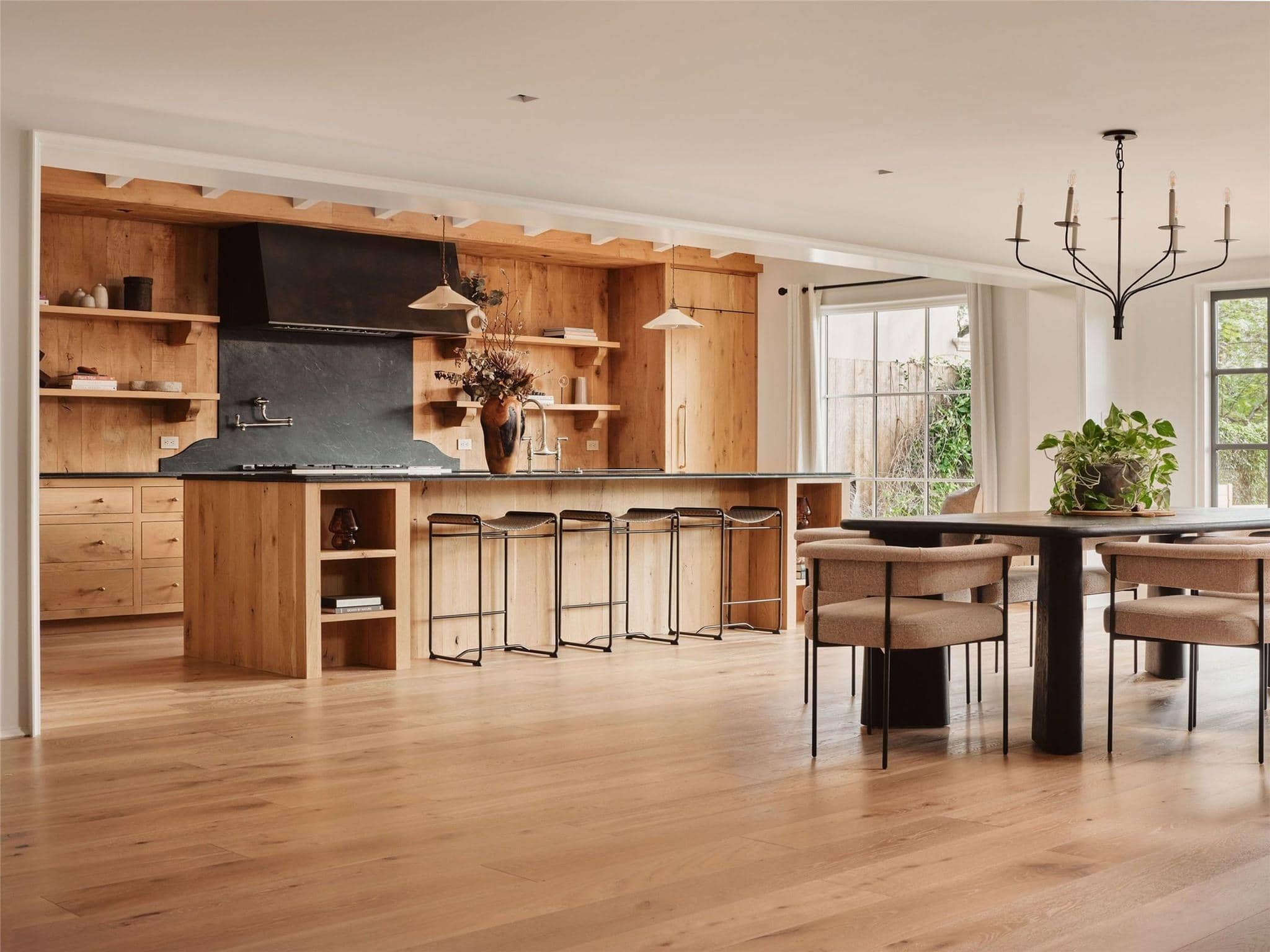
1012 Gaston
$6,445,000
Single Family Residence · 78703 · 99 days · listed by Kuper Sotheby's Int'l Realty
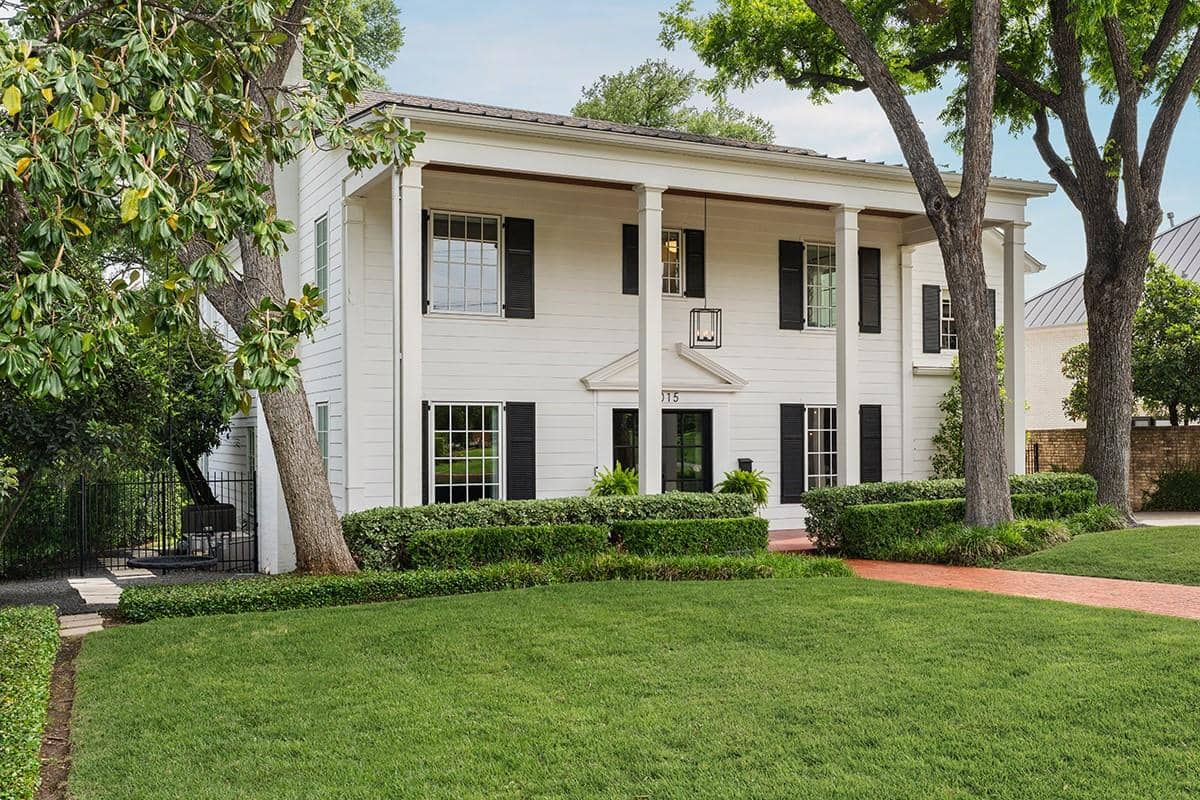
1015 Gaston
$3,895,000Pending
Single Family Residence · 78703 · 128 days · listed by Gottesman Residential R.E.
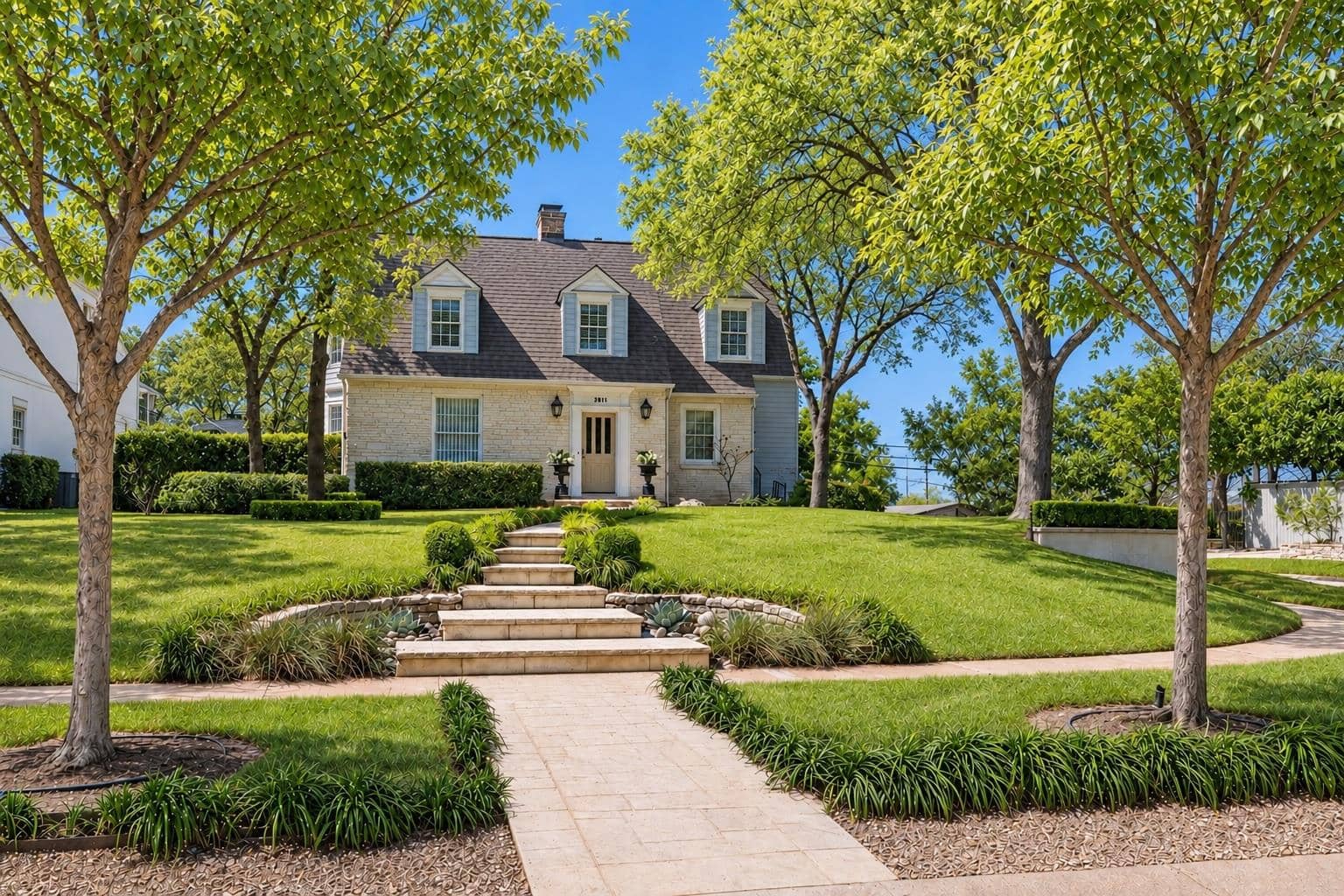
2428 Jarratt
$3,250,000
Single Family Residence · 78703 · 185 days · listed by Christies Intl Real Estate Lone Star
Listed by Christies Intl Real Estate Lone Star; Gottesman Residential R.E.; Kuper Sotheby's Int'l Realty.
Counted
An outlier on every axis
As of October 16, 2026 at 11:24 PM CDT there are 5 listings inside the boundary. All 5 of them are houses and 0 are condominiums, in a ZIP where condominiums are 45 percent of everything for sale. That is the single most telling number on this page.
The rest follows from it. The median build year of what is listed is 1940, decades older than any other neighborhood written up on this site. The median size is 4,647 square feet, roughly three times what a Zilker listing runs. And the median asking price is $4,850,000 against $1,340,000 across 78703 as a whole.
Two honest caveats about those figures. They are asking prices on one date, not closings. And with 5 listings the medians are fragile in the way the Old Enfield page describes: one house listing moves them hard. What is not fragile is the shape. Pemberton Heights has been the top of this ZIP for ninety years and the reason is structural rather than cyclical.
Ninety yearsof nothingbeing allowedto change.
1927
It took a bridge
In the late 1800s this was a farm belonging to John Woods Harris, the state’s attorney general. It passed to the Fisher family, who formed the Austin Land Company, and the thing that turned a farm into the most expensive neighborhood in central Austin was infrastructure: in 1927 they built a bridge across Shoal Creek. Before it, this side of the creek was land you could see from the city and not easily get to. After it, the first unit of thirty acres opened that summer.
They kept going until the early 1940s, twelve sections in all, which is why the neighborhood reads as one idea executed slowly rather than as a single subdivision. English Tudor Revival, Colonial Revival and Spanish Eclectic houses from the 1920s through the 1950s, a great many of them architect-designed, on large lots under a canopy that was already mature when they were built. And sold under deed restrictions written to stop the land being cut up or built over.
Those covenants are why a neighborhood half a mile from a freeway, inside a city that has rewritten its residential code twice in three years to allow more units on a lot, still has no condominiums for sale in it. A private covenant runs with the land and is not repealed by a change in zoning, which is the law set out on the Travis Heights page; here it is the whole explanation of the market.
What changes
What is different about a purchase up here
Four things change, and none of them is the paperwork. The first is comparables. With a handful of sales a year, the evidence that would ordinarily settle a price does not exist in the quantity the process assumes, so the work moves from looking up a number to building an argument for one, from the lot, the architect, the condition and the few genuinely similar sales there are.
The second is the appraisal, which is the same problem in someone else’s hands. An appraiser working thin comparables returns a low value more often at this level than below it, and a lender lends against the appraised figure, not the contract price. Whether that ends the deal, costs you cash, or reopens the negotiation is decided by the terms you wrote, not by the report. It belongs in the offer strategy from the start.
The third is financing. Above the conforming limits this is a different product with different underwriting, slower and more documentation-heavy, and a seller weighing two offers will read the financing terms as carefully as the price. The fourth is time. Houses at this level sit longer as a rule, which cuts both ways: less pressure to decide, and a much smaller pool of buyers when you eventually sell.
What none of that changes is the inspection. A 1930s house with original systems is a 1930s house whatever it costs, and the option period here is for the foundation, the electrical, the drainage off a sloped lot and the trees, which are protected by ordinance and expensive to be wrong about.
Honestly
Who Pemberton Heights is wrong for
- A buyer who wants a choice
- There is rarely one. A handful of houses are on the market here at any moment, and they are not substitutes for each other: different sections, different decades, different architects, lots that range from ordinary to extraordinary. You are not choosing between comparable options, you are deciding about one house at a time, which is a different kind of patience.
- Anyone underwriting on a price per foot
- It is the wrong instrument at this level. Two houses on the same street can be hundreds of dollars a foot apart on the strength of the lot, the canopy, the architect and whether the interior has been touched since the 1980s. A per-foot figure is an output of those judgements, not an input to them.
- A buyer who needs to add a unit or subdivide
- The neighborhood was sold from 1927 on under deed restrictions written to prevent exactly that, and a private covenant is not repealed when the zoning code changes. Whether one runs with your particular lot is a title question. The law of it is set out on the Travis Heights page, and it applies here with more force because more of these lots carry one.
- Someone expecting the appraisal to be routine
- With this few sales, the appraiser has the same problem you do: not enough recent, genuinely comparable transactions. Appraisals at this level come in low more often than buyers expect, and what happens next was decided when the contract was written rather than when the report arrives. Plan for it in the offer.
Drag to pan, pinch or use the buttons to zoom. Hover a price for a preview and click it for the listing, or tap it on a touchscreen. Every one of these is also in the grid above.
Nearby
The rest of 78703
- TarrytownLake Austin to the west, MoPac to the east, and one name covering both the cheapest condominiums in the ZIP and its most expensive houses.
- Deep EddyThe oldest swimming pool in Texas, a resort the Depression took, and a market with four condominiums under four hundred thousand and nothing at all between there and a million.
- Bryker WoodsCottages on small lots from the late 1930s, named by mashing two developers' surnames together, and the neighborhood in the ZIP whose edges nobody agrees on.
- Castle HillThirty nine acres named for a castle the Texas Military Institute built in 1869, the one neighborhood here whose boundary the City draws parcel by parcel.
- ClarksvilleThe oldest surviving freedman's town in Texas, founded in 1871 on two acres bought from a Confederate general, and now a few blocks where a condominium costs a fraction of a house.
- Old EnfieldThe oldest and smallest of the west-side neighborhoods, between Enfield Road and 15th, where almost nothing comes up for sale in a given month.
Everything for sale across the ZIP, with filters, is on the 78703 market page, and the ZIP itself is on its own page.
Working here
Buying and selling at the ceiling
At the top of a market the risks change shape. Appraisal is the one that surprises people: when a contract price is above anything comparable that has closed, the appraisal becomes a real contingency rather than a formality, and how that is anticipated in the contract decides whether a deal survives it. That is a negotiating question at the offer stage, not a problem to solve in week three.
The other is that the buyer pool at this level is small, specific, and largely not looking at a portal. A house here is sold to a short list of people, often through other agents who represent them, and the marketing that works is not the marketing that works a mile south. On the buying side the same smallness is an advantage, because the competition is countable and the seller’s situation is usually knowable if someone asks.
If that is the kind of help you want on a purchase or a sale here, start a conversation.
Listings courtesy of Unlock MLS as distributed by MLS GRID
Based on information submitted to the MLS GRID as of October 16, 2026 at 11:24 PM CDT. All data obtained from various sources and may not have been verified by broker or MLS GRID.
Any use or search of data on the website, other than by a consumer looking to purchase real estate, is prohibited.