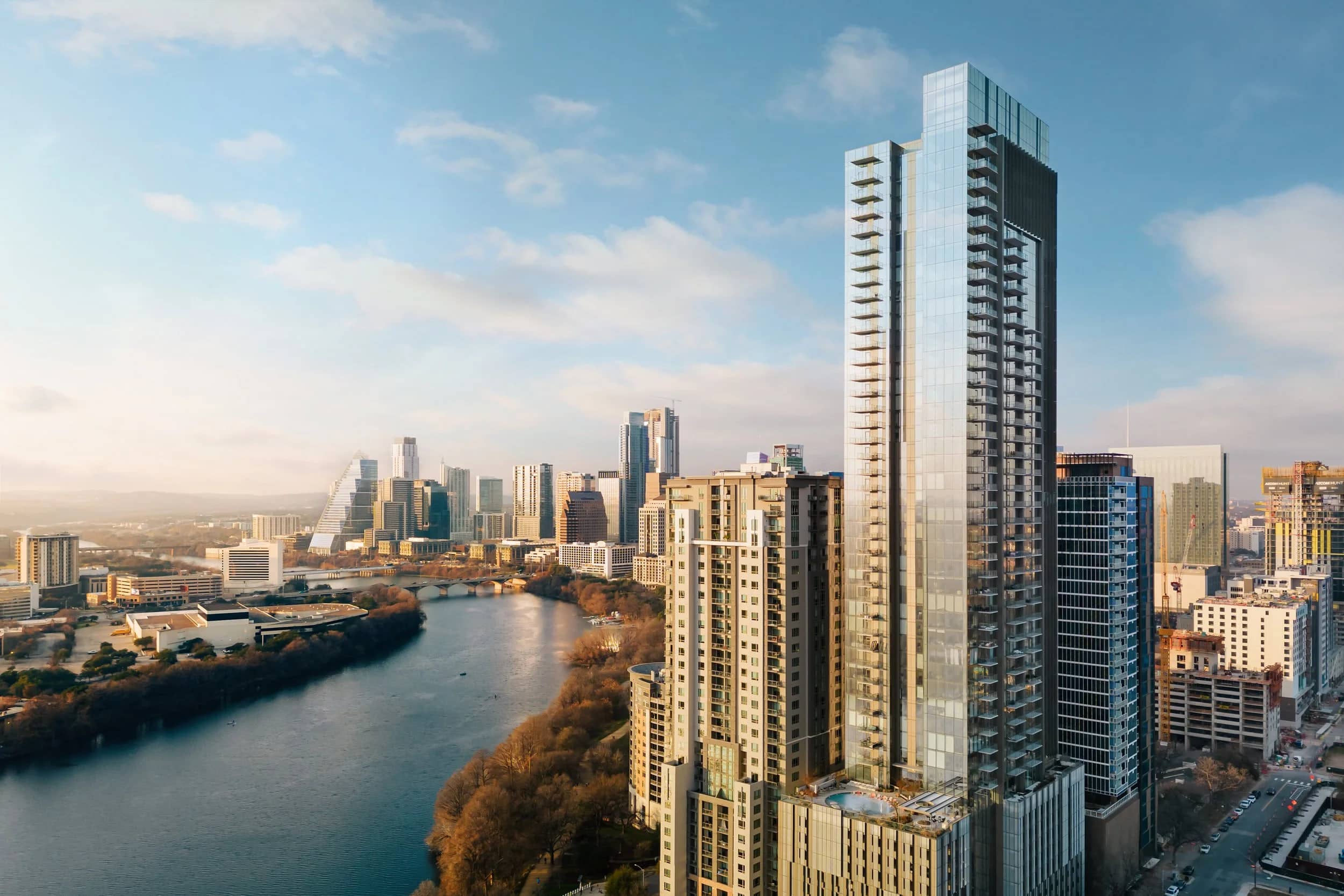
78702, east of the highway
Holly, East Cesar Chavez, Chestnut, Rosewood and Govalle. The most varied housing stock in Austin, on ground the city once drew a line around, with that line now being rebuilt.
The line
Drawn in 1928, poured in the sixties
Every account of this ZIP starts at its western edge, and it should. In 1928 the city adopted a plan that designated the land east of East Avenue as the district where Black residents would live, and enforced it by withholding schools, water and power from Black families anywhere else. Thirty years later the interstate was laid along East Avenue. The line on the plan became a line of concrete, and it is the line this page is written on.
That line is now a construction project scheduled to run through 2033. The Texas Department of Transportation broke ground in 2025 on lowering the main lanes from Airport Boulevard to Lady Bird Lake, the whole western edge of this ZIP. The drainage tunnels come first and run through 2029, the roadway after that, and the scheduled completion is 2033. For most of the next decade the streets nearest the highway will be next to a hole.
What comes out of the hole is the open question. In May 2025 the City Council funded the foundations for three caps over the lowered lanes, from Cesar Chavez to Fourth, Fourth to Seventh and Eleventh to Twelfth, after a nearly even split over how many it could afford. Foundations are not decks, and decks are not parks. Whether the eastern edge of downtown and the western edge of this ZIP are eventually joined by open ground is a funding decision still being made, and a buyer on East Fourth or East Twelfth is buying both the disruption and the possibility, with neither one certain.
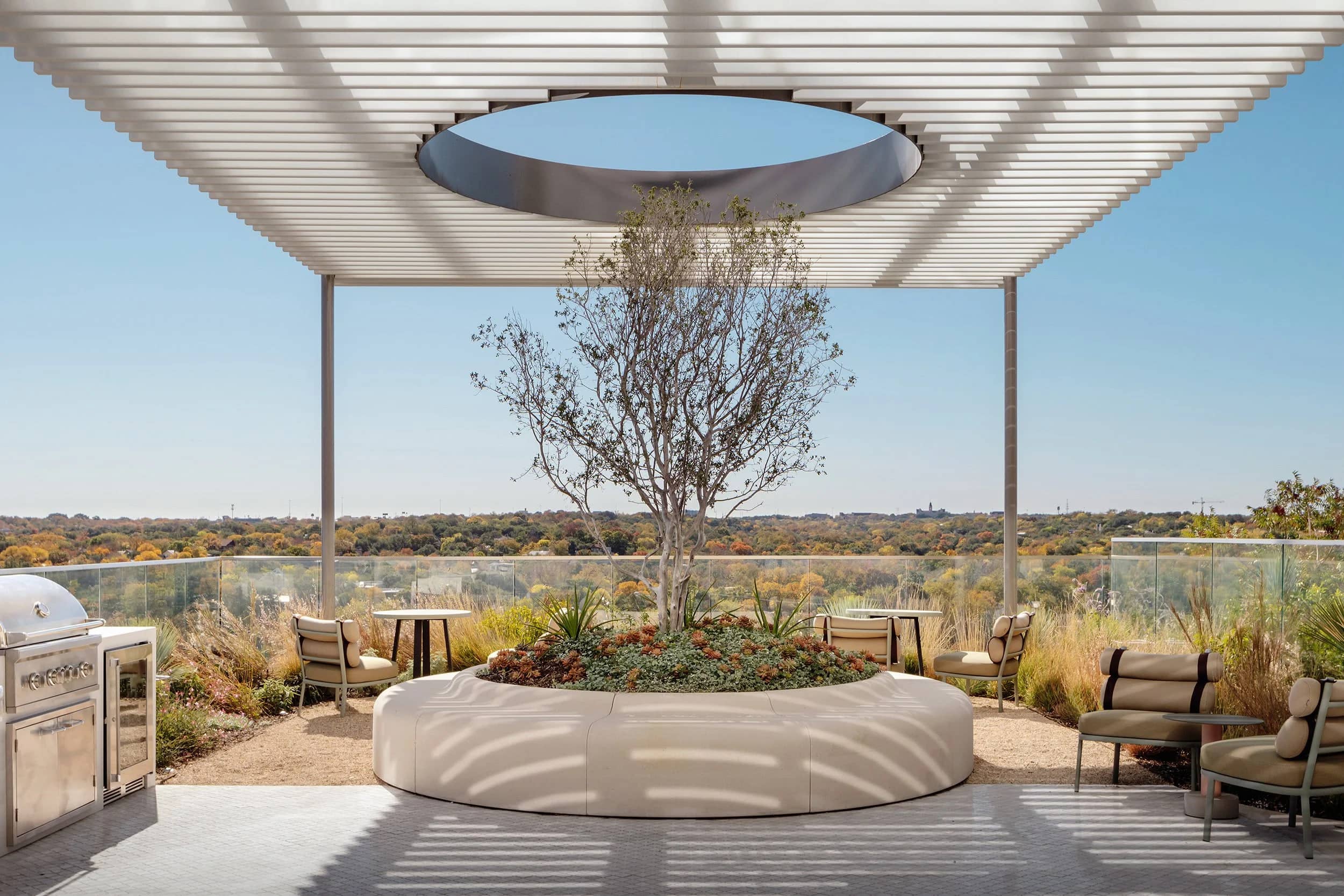
By the decade
Read the street by the year
Nowhere else in Austin does one block hold as many decades. The year a house here was built tells you what rules it was built under, and often who it was built for, and that is a better guide than the neighborhood name.
- 1841
- The French Legation is built on a hill above what is now San Marcos Street, to represent France to the Republic of Texas. It is among the oldest frame structures in Austin and has been on the National Register since 1969.
- 1851
- The State of Texas establishes its cemetery on Navasota Street. Stephen F. Austin is there. Twenty-two acres of the ZIP's interior are permanently open ground because of it.
- 1875
- Huston-Tillotson is founded on Chicon Street, the first institution of higher learning in Austin and still its only historically Black university. Its campus was added to the National Register in 2022.
- 1880s to 1930s
- The oldest surviving residential fabric goes up: the Swedish immigrant cottages of Swedish Hill north of East Eleventh, and the bungalows of Willow and Spence Streets, where Mexican American families settled after being pushed out of downtown. Both are National Register districts, listed in 1986 and 1985.
- 1928
- The city adopts the Koch and Fowler plan, which designates a district east of East Avenue for Black residents and withholds services west of it to make the designation stick. It empties freedman communities across the city, Clarksville among them, into this ZIP.
- 1945
- The Victory Grill opens on East Eleventh for soldiers coming home from the war, and becomes one of the oldest blues rooms in the country. National Register, 1998.
- 1953 to 1970
- Fifty-seven mid-century houses are built between East MLK and East 21st by Black professionals barred from buying almost anywhere else in Austin. In 2020 the City made Rogers-Washington-Holy Cross a local historic district, its first to recognize a Black neighborhood.
- Early 1960s
- The interstate is laid along East Avenue, the same line the 1928 plan drew. The ZIP's western edge has been six to eight lanes of freeway ever since.
- 2007
- The Holly Street Power Plant on the lakeshore is switched off after 47 years of operation and years of neighborhood protest. Its site is now parkland and a lakeside path, completed in 2022.
- 2024
- The HOME ordinance takes effect: three homes on a lot that was zoned for one, and a minimum lot of 1,800 square feet down from 5,750. The lot next door can now become something the block has not seen before.
- 2025 to 2033
- TxDOT breaks ground on lowering the interstate from Airport Boulevard to the lake. Drainage tunnels through 2029, the roadway after that, completion scheduled for 2033. Council has funded foundations for three caps between Cesar Chavez and 12th.
Ask what thelot next dooris allowedto become.
The code
Three where there was one
In December 2023 the City allowed up to three homes on a lot that had been zoned for one, and in May 2024 it cut the minimum lot from 5,750 square feet to 1,800, effective that August. The ordinance is called HOME and it applies citywide, but it does not land evenly. It lands hardest where there are many small, old, inexpensive houses on standard lots close to downtown, and that describes this ZIP better than any other in the city.
So the question to ask about a house here is not only what it is but what the lots on either side of it are allowed to become. A 1940s cottage flanked by two more is one purchase. The same cottage flanked by two lots that have just changed hands is a different one, and the difference is visible in the permit record before it is visible from the street. Read both neighbors’ zoning and any pending permits during the option period, and read the tree survey, because the tree ordinance is the one thing HOME did not loosen.
Historic designation is the other thing to read carefully, because the word covers two very different facts. Willow-Spence and Swedish Hill are National Register districts: a listing is a recognition of significance and, on its own, places no restriction on what a private owner may do. Rogers-Washington- Holy Cross is a local historic district, designated by the City in 2020, and there exterior changes go through design review against published standards. One is a plaque. The other is a rule. A listing that says historic may mean either.
The water
The shore that was a power plant
The southern edge of the ZIP is Lady Bird Lake, and for 47 years the neighborhood named Holly looked at it past a power plant. Austin Energy switched the Holly Street plant off in 2007 after decades of protest from the streets around it, the demolition took years more, and the site is now parkland joined to Festival Beach and Edward Rendon Sr. Park. A lakeside path through the old plant grounds was finished in 2022 and closed the gap in the trail between the east end of the lake and the west. A street that once faced a smokestack faces the water.
Water is also the thing to check inland. Boggy Creek runs north to south through the eastern half of the ZIP, through Rosewood and Govalle, and the 2018 Atlas 14 rainfall study moved a great many Austin properties from the 500-year floodplain into the 100-year one. A house that was outside the map when it was last sold may be inside it now. The City’s FloodPro tool answers that question for a specific address, and the answer belongs in the option period, not after.
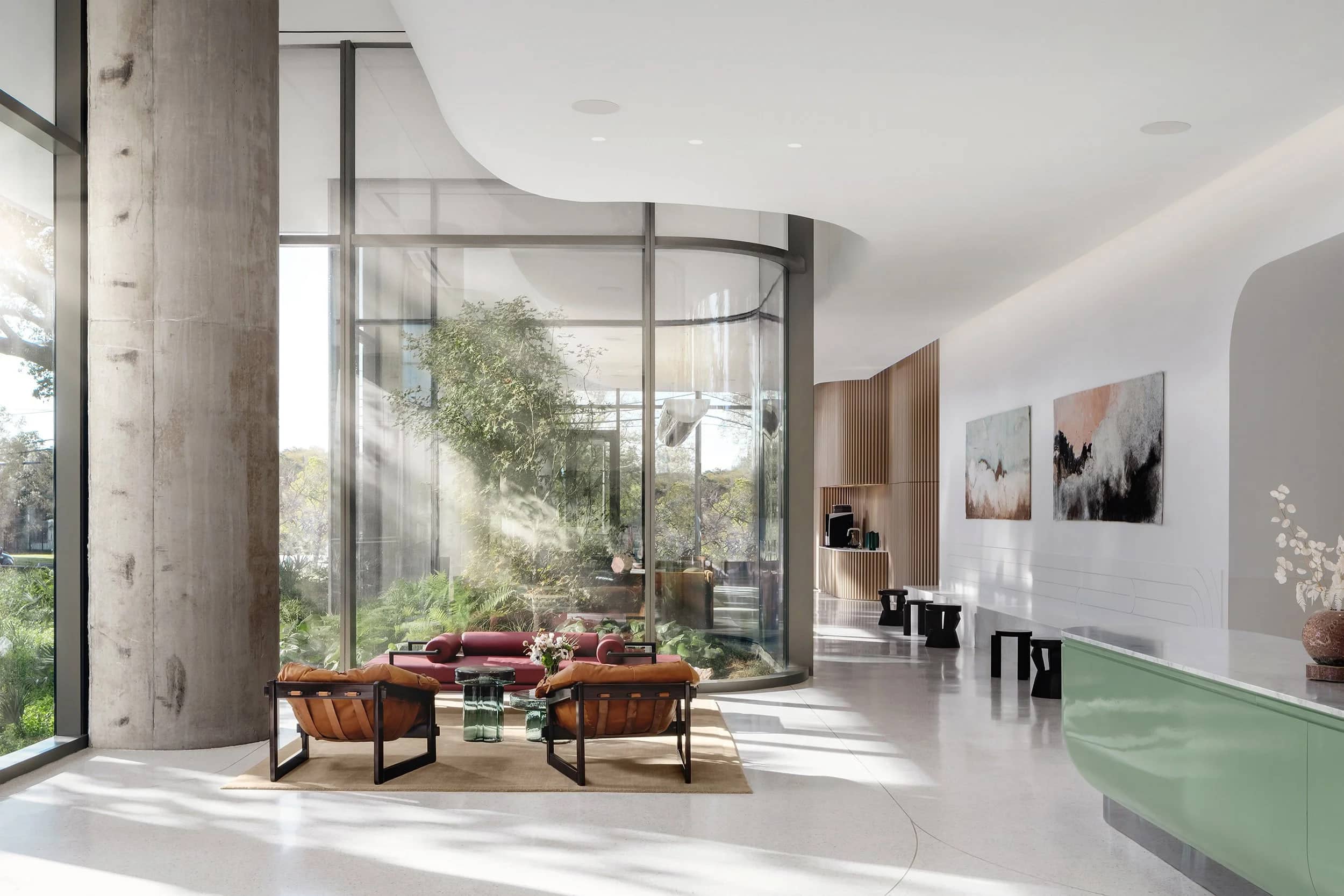
Getting downtown
Two stations and three crossings
This is the only central ZIP with rail in it. The Red Line stops twice, at Plaza Saltillo on East Fifth at Comal and at MLK Jr. to the north, and the ten acres between Plaza Saltillo and the highway were rebuilt as a transit district under a plan the City adopted in 2008. Whether a given block is walkable to downtown depends less on distance than on which crossing of the interstate it uses, from Cesar Chavez at the south to MLK at the north, and the highway is a different experience on foot at each of them.
East Sixth, East Seventh and East Cesar Chavez carry one of the densest runs of bars and music rooms outside downtown, and the residential blocks behind them hear it. The 78703 buyer is told to stand on the lot at five on a weekday for the freeway. Here the hour that tells the truth is midnight on a Saturday, and the listing photographs were not taken then.
The record
The people the deed does not mention
Nothing about buying here is honest without this. The 1928 plan made this ZIP the only part of the city where Black families could count on services, and later the only part where Mexican American families displaced from downtown could settle, and it was home for generations. Then it was not. Research at the University of Texas found that between 2000 and 2010 Austin was the only fast-growing major city in the country whose Black population fell, and that the fall was concentrated in East Austin, as property values rose and long-standing owners sold and left for the suburbs. In 2022 the City commissioned a study to put a figure on what the 1928 plan had cost Black homeowners in the neighborhoods it created.
For a buyer this is not a footnote. It is why a neighbor on your street may have been there fifty years and why the East End Cultural Heritage District along East Eleventh and Twelfth exists. It is also why the deed history on a lot here often runs longer than the house on it, and why an option period spent on title, easements and heirship on older lots is time well spent. You are buying into a place with a record, and the record is part of what you are buying.
Schools
A pattern that changed this school year
Austin ISD’s consolidation took effect for the 2026-27 year and this ZIP absorbed more of it than any other central one. Martin Middle School closed and most of its students were reassigned to Kealing, which carries both the district’s magnet program and a neighborhood zone. Eastside Early College is the high school. Among the elementaries, Sanchez became a two-way dual language campus, a Montessori program moved into Govalle with Govalle’s zoned students reassigned by address, and the arrangement between Oak Springs and Blackshear was left unsettled by the district at the time of writing.
The practical point is the same one every area page on this site makes, and it is truer here than anywhere: an attendance zone is a district decision attached to an address, it changed this year, and it can change again. Confirm the current boundary with the district for the specific address before it is a reason to pay for it.
Honestly
Who 78702 is wrong for
- A buyer who wants the block to stay as it is
- It will not. The zoning code now allows three homes where one stood, and this ZIP has more small old houses on standard lots than anywhere else in central Austin. The lot next door is the most likely thing on the street to change, and nothing in your deed governs it.
- Anyone who reads historic as protected
- Willow-Spence and Swedish Hill are National Register districts, which is a recognition and not a restriction on a private owner. Only Rogers-Washington-Holy Cross, the local district, carries design review. A listing that says historic may be describing a plaque or a rule, and they are not the same purchase.
- A buyer who has not stood on the lot at midnight
- East Sixth, East Seventh and East Cesar Chavez carry one of the densest runs of bars and music rooms outside downtown. The residential streets one block off them hear it on a Saturday. The 78703 buyer stands on the lot at five on a weekday for the freeway. Here the hour is midnight.
- Anyone pricing the western streets on a finished highway
- The interstate along the ZIP's edge is a construction site until 2033 on the current schedule. The caps that would turn part of it into park have funded foundations and, as of the date on this page, no funded decks. Neither the disruption nor the park is something to price in as certain.
Counted
Either side of Chicon, in numbers
Chicon Street is the line most people use for how far the turnover has reached, so here is today’s inventory split on it, as of October 17, 2026 at 8:56 AM CDT.
West of Chicon
66 listings for sale. Of the 66 with a build year, 37 were built in 2015 or later, which is 56 percent, and 19 before 1970. Median asking price $525 per square foot.
East of Chicon
137 listings for sale. Of the 137 with a build year, 77 were built in 2015 or later, which is 56 percent, and 35 before 1970. Median asking price $450 per square foot.
The noise
The bars can be counted too. On 22 September 2026 the Texas Comptroller’s register of active mixed beverage tax permits listed 211 permitted locations in 78702: 46 on East Sixth, 33 on East Cesar Chavez, 31 on East Seventh and 23 on East Eleventh and Twelfth. Forty-four of the East Sixth permits sit between the 1000 and 2300 blocks, the interstate to a few blocks past Chicon, which is where the residential streets one block north and south hear it. A permit is not a decibel, but a street with forty-four of them inside thirteen blocks is not a quiet one at midnight, and the count says which blocks to stand on.
On the market
78702 right now
Residential listings for sale in the ZIP, from Unlock MLS through MLS Grid, as of October 17, 2026 at 8:56 AM CDT. Closed sale prices are not shown and never will be: Texas is a non-disclosure state and the MLS does not permit publishing them, so every figure here is derived from list prices and days since listing.
- Active listings
- 203
- Median list price
- $650,000
- Median per sq ft
- $460
- Median days listed
- 79
- of the active listings, since each was listed
The 12 most recently listed of 212, newest first. All of them, with filters, are on the 78702 market page.
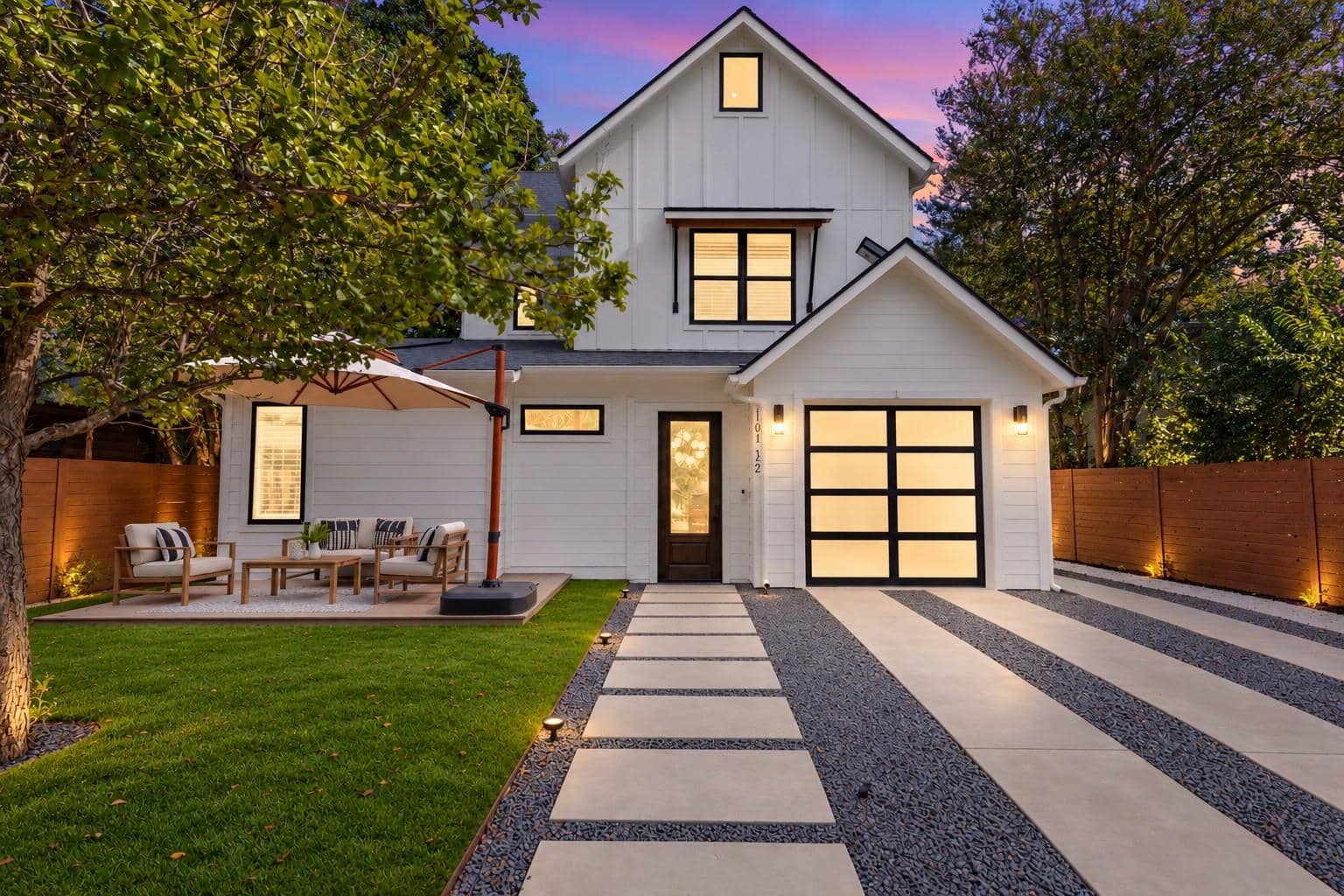
1101 1/2 Fiesta #1
$800,000
Single Family Residence · 78702 · 1 days · listed by Compass RE Texas, LLC
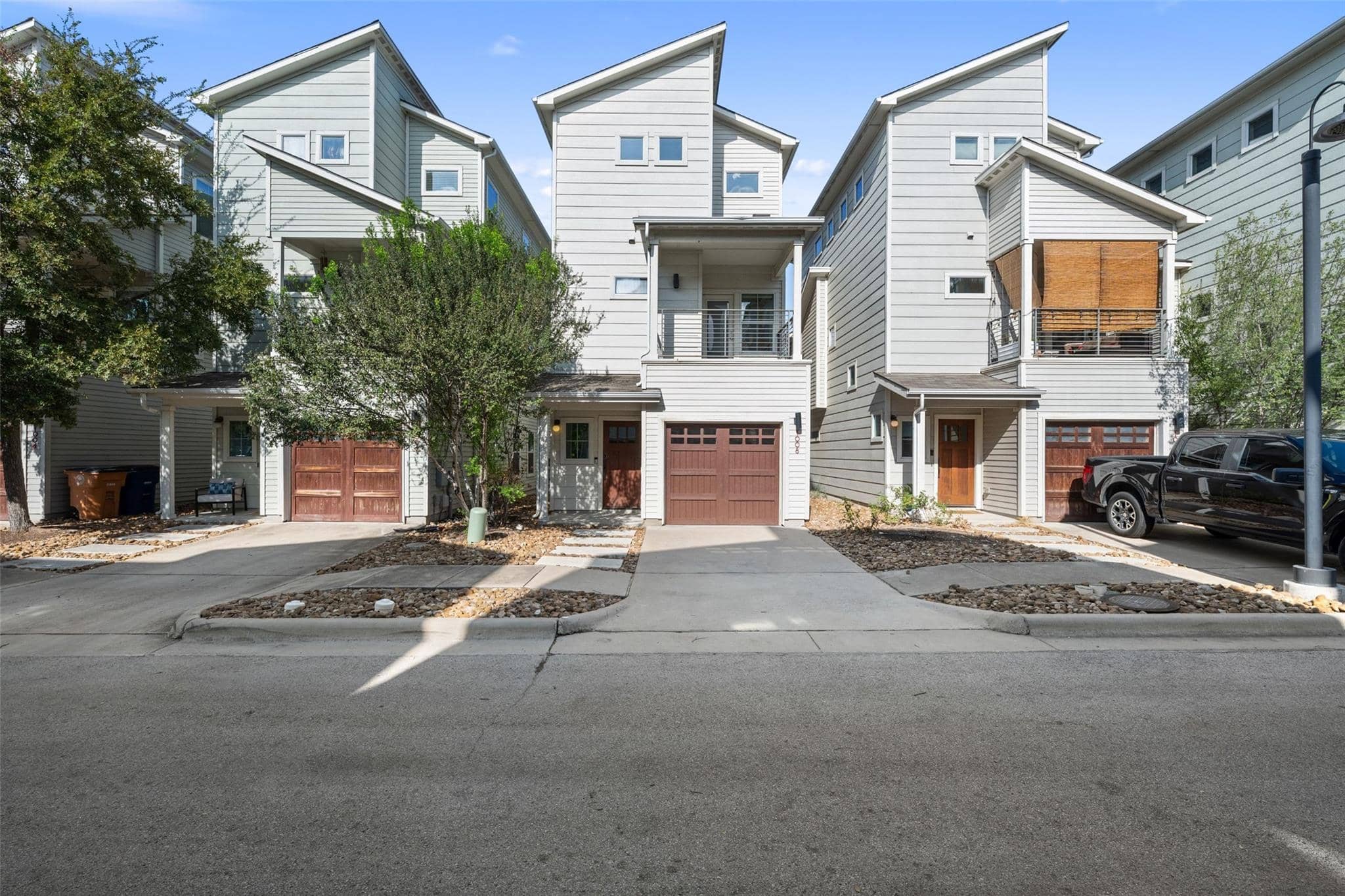
1008 Muse
$515,000
Single Family Residence · 78702 · 1 days · listed by Compass RE Texas, LLC
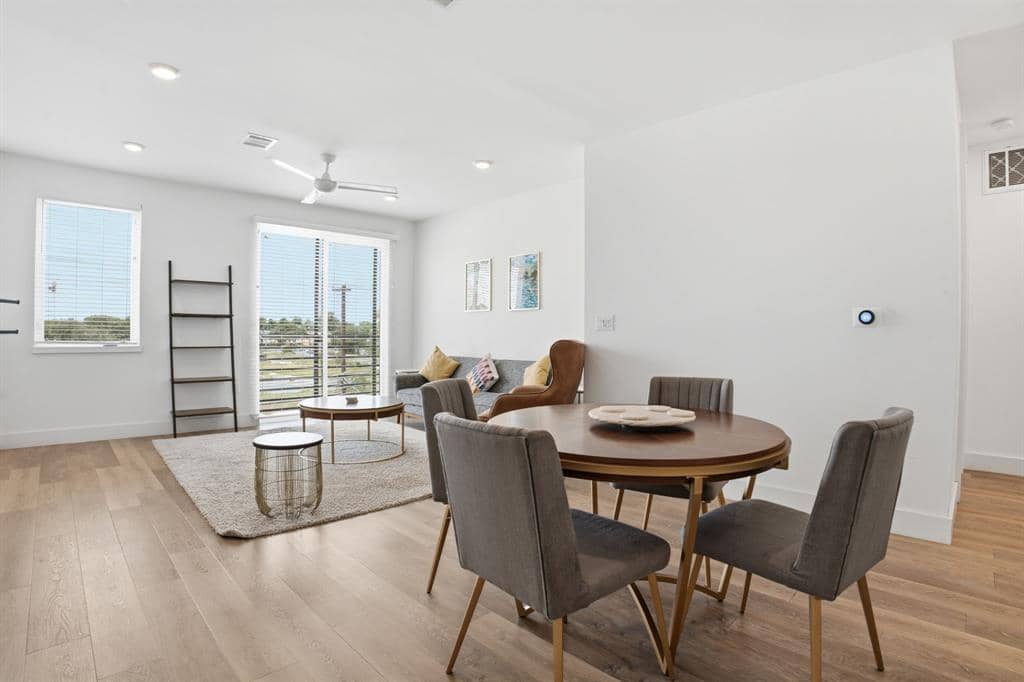
2709 5th #1306
$419,999
Single Family Residence · 78702 · 1 days · listed by eXp Realty, LLC
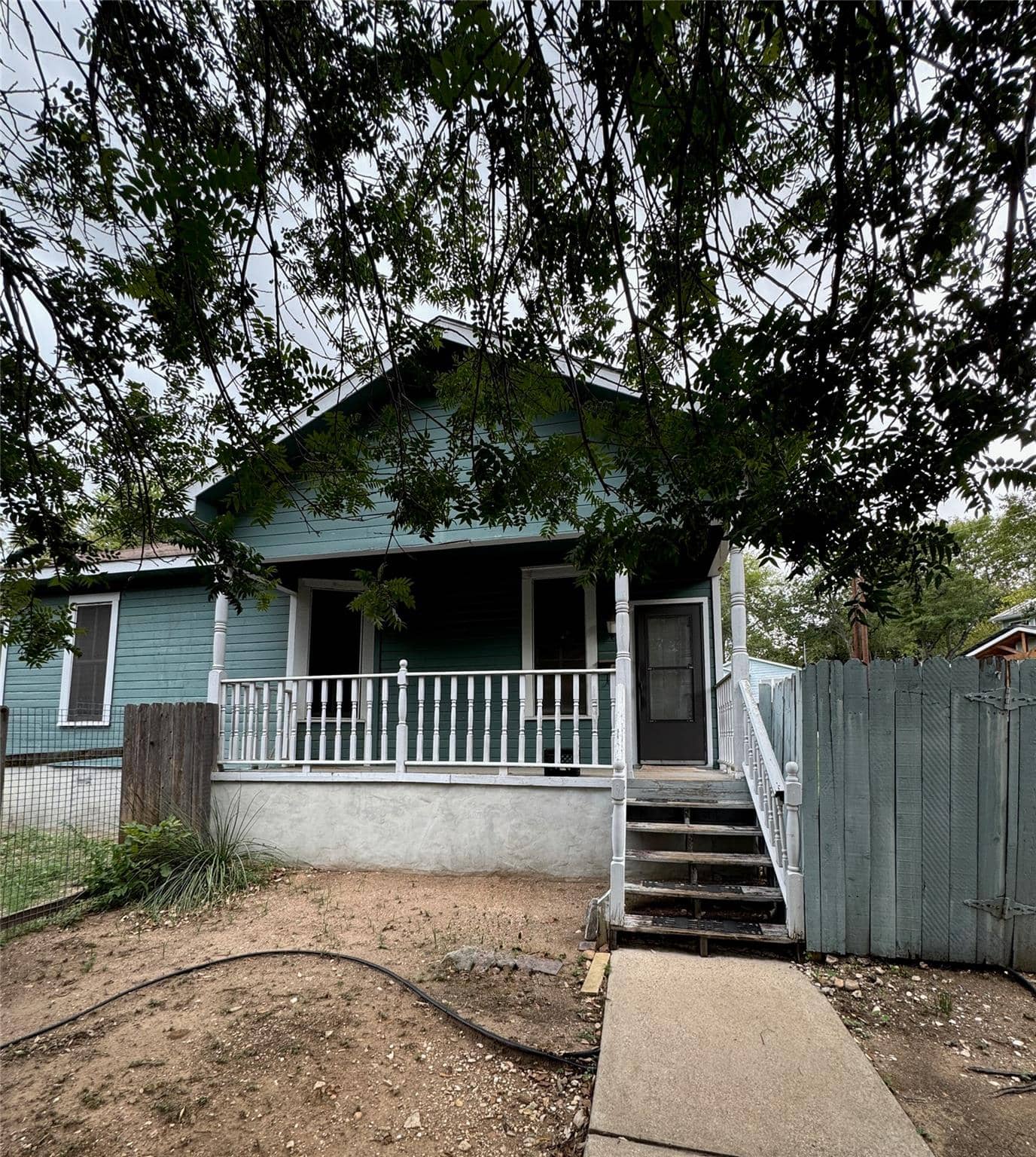
2503 Walter
$395,000
Single Family Residence · 78702 · 1 days · listed by Kifer Sparks Agency, LLC
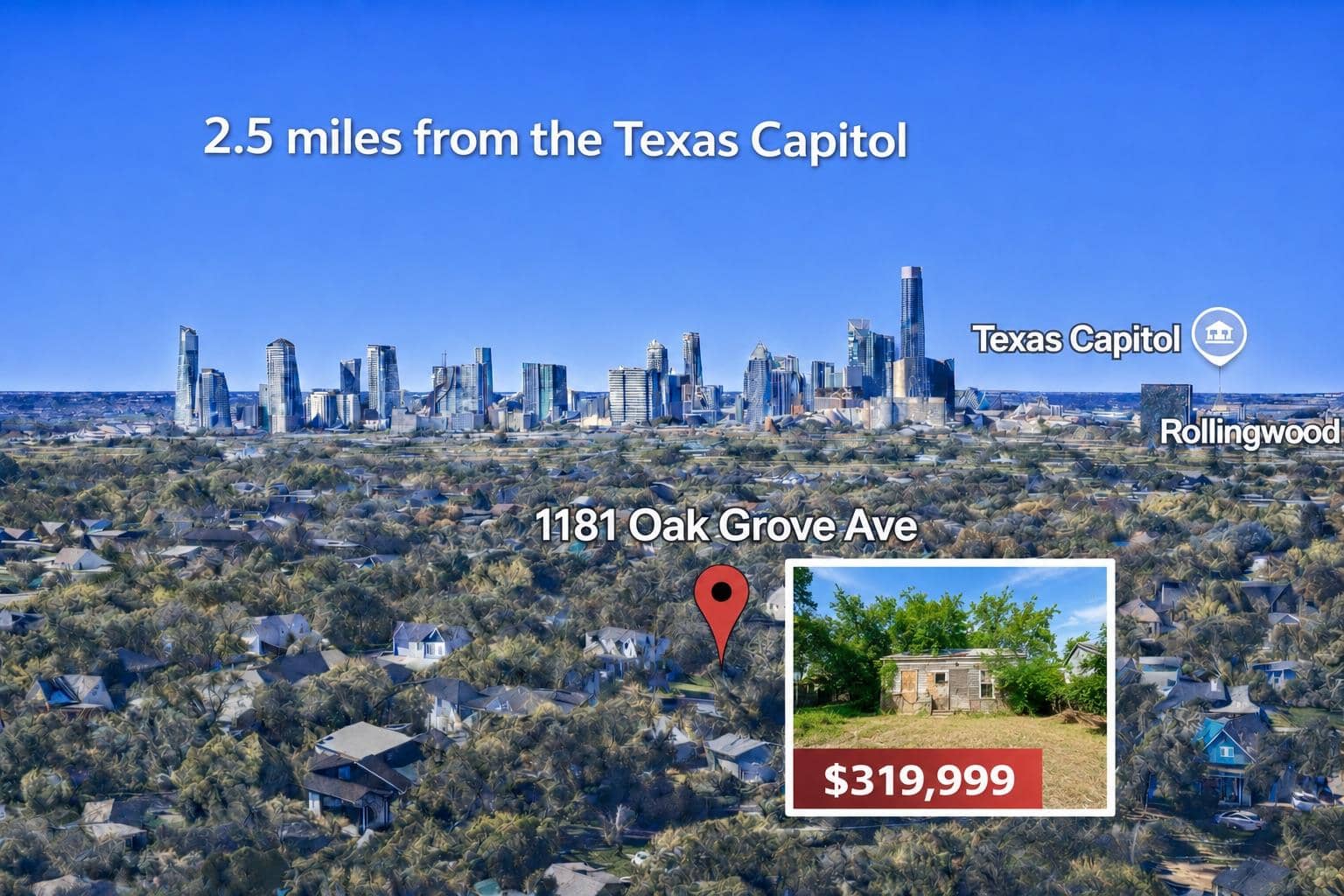
1181 Oakgrove
$309,999
Single Family Residence · 78702 · 1 days · listed by All City Real Estate Ltd. Co
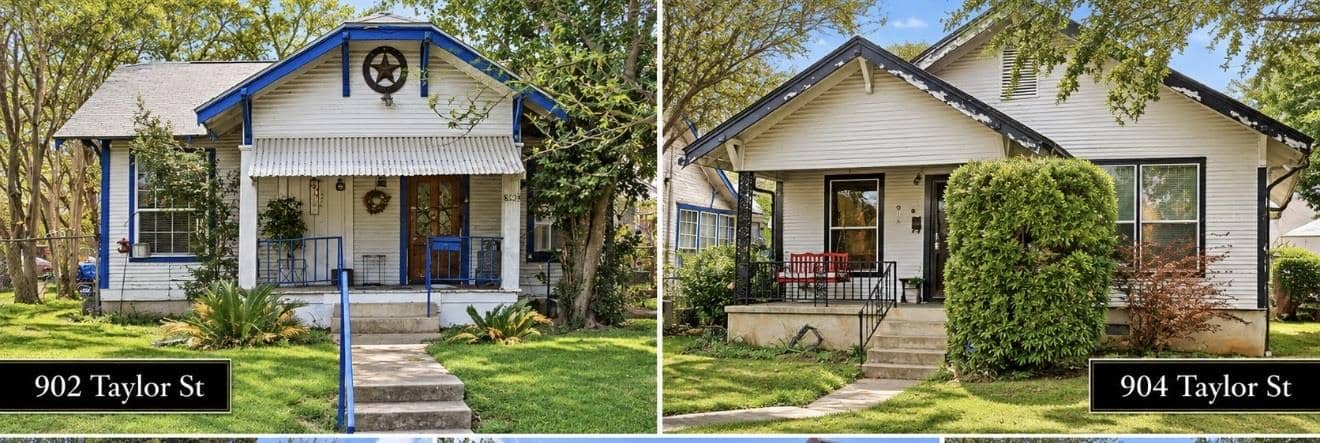
902 Taylor
$8,000,000
Single Family Residence · 78702 · 3 days · listed by SMART LINK REALTY
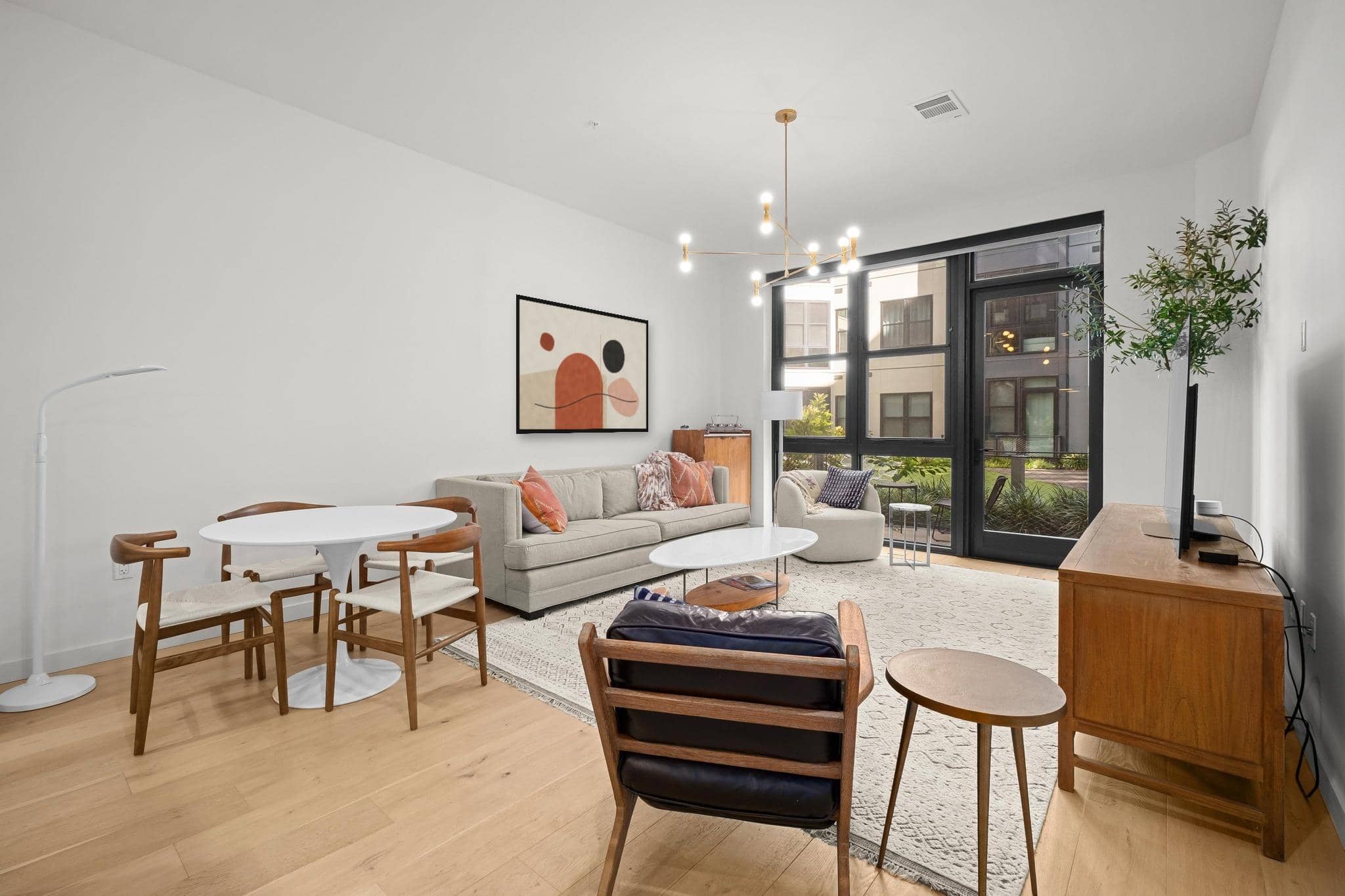
800 Embassy #124
$449,000
Condominium · 78702 · 3 days · listed by JBGoodwin REALTORS WL
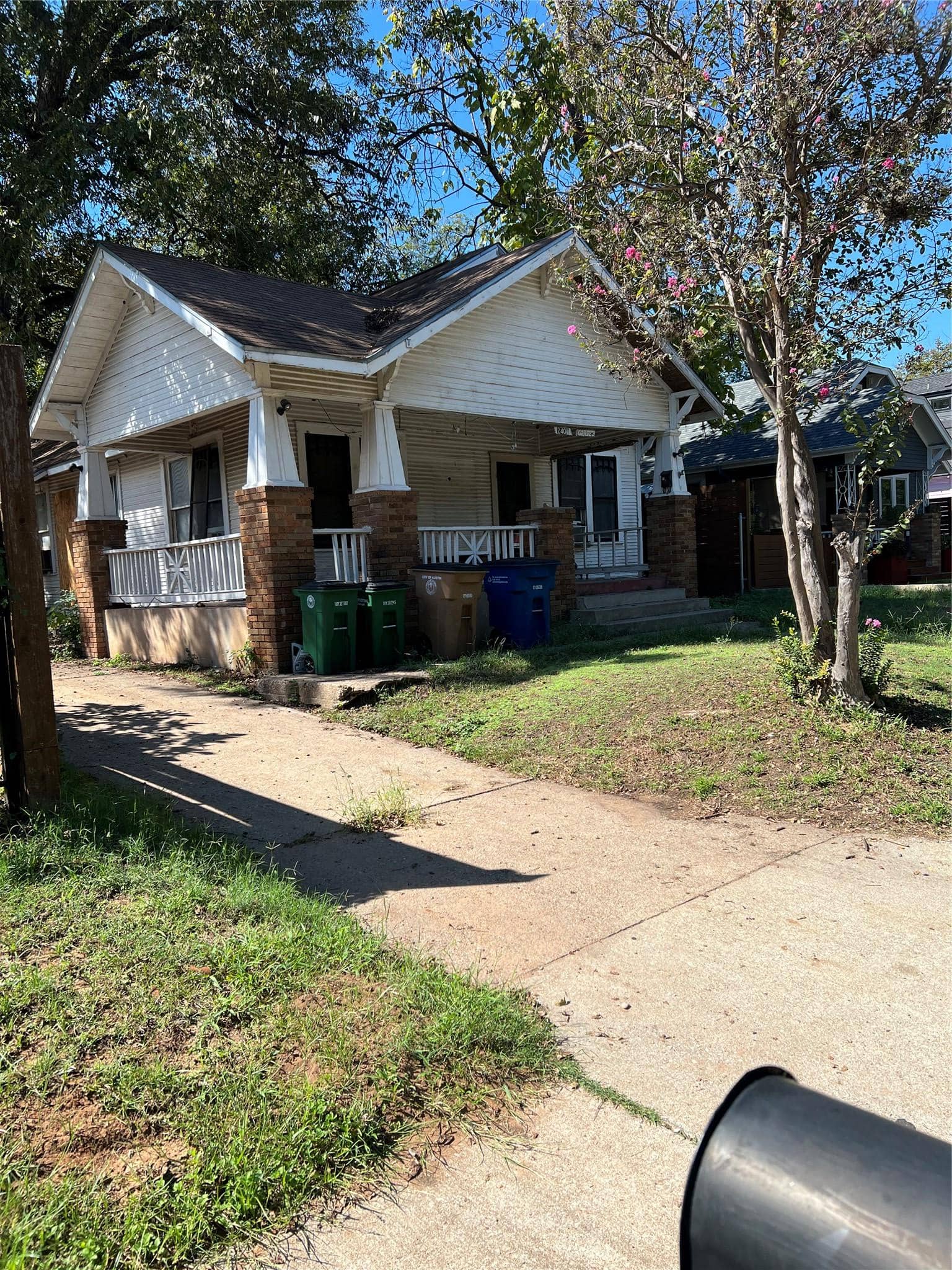
2409 Willow
$590,000
Single Family Residence · 78702 · 6 days · listed by Real Estate Executives of Aus
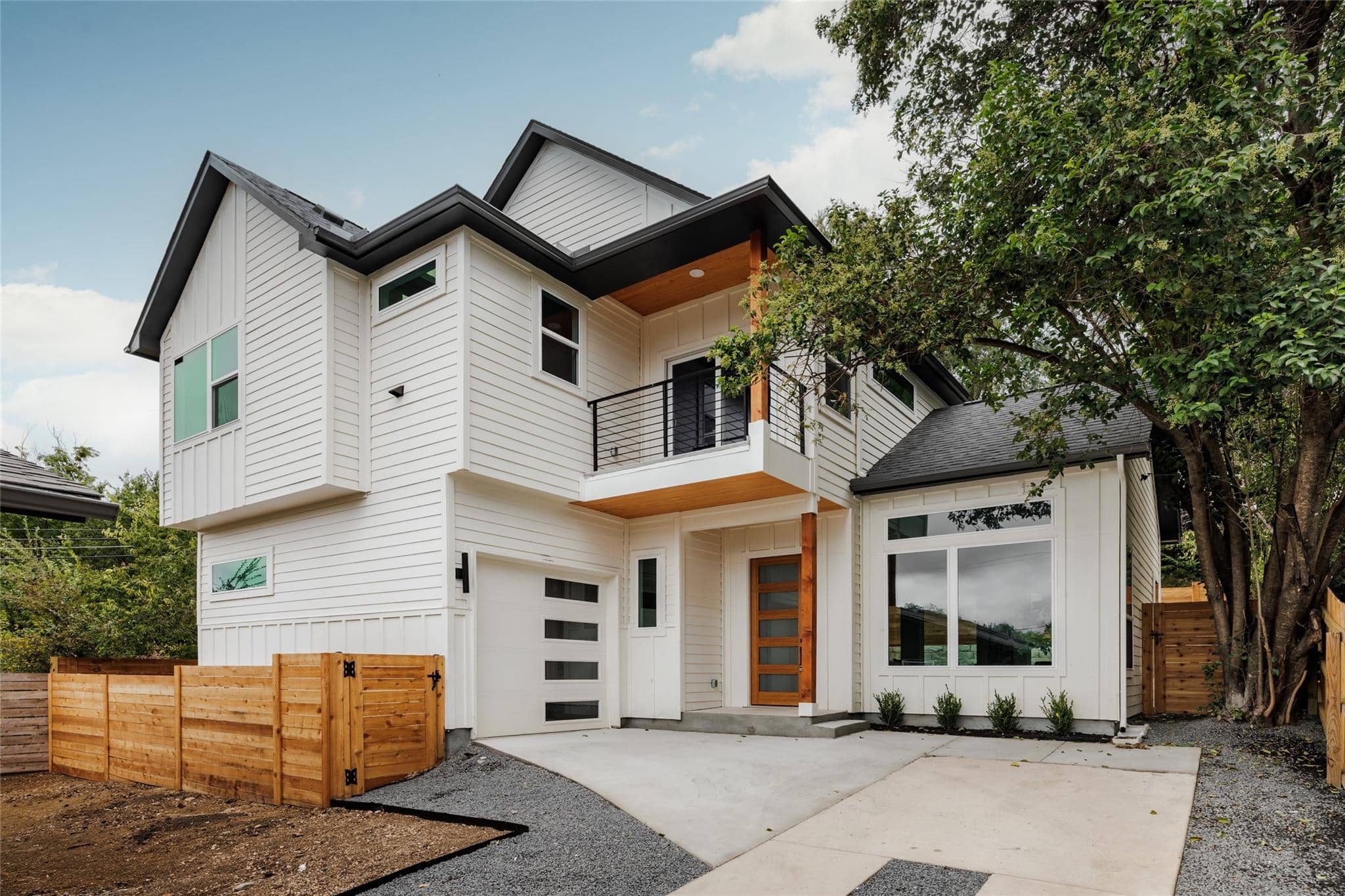
3002 Webberville #1 & 2
$1,350,000
See Remarks · 78702 · 8 days · listed by Compass RE Texas, LLC
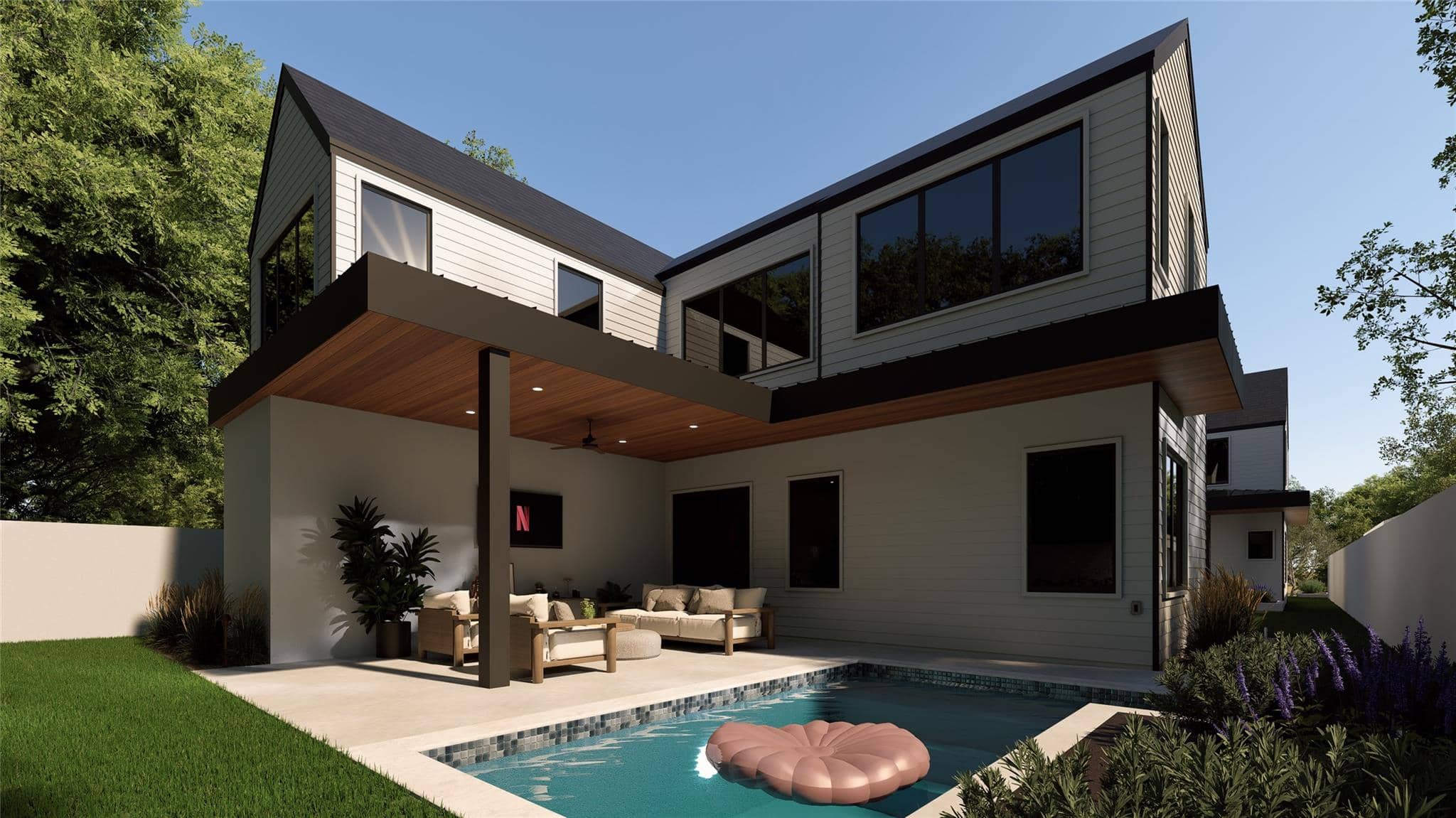
1117 Gunter #2
$1,050,000
Single Family Residence · 78702 · 8 days · listed by Compass RE Texas, LLC
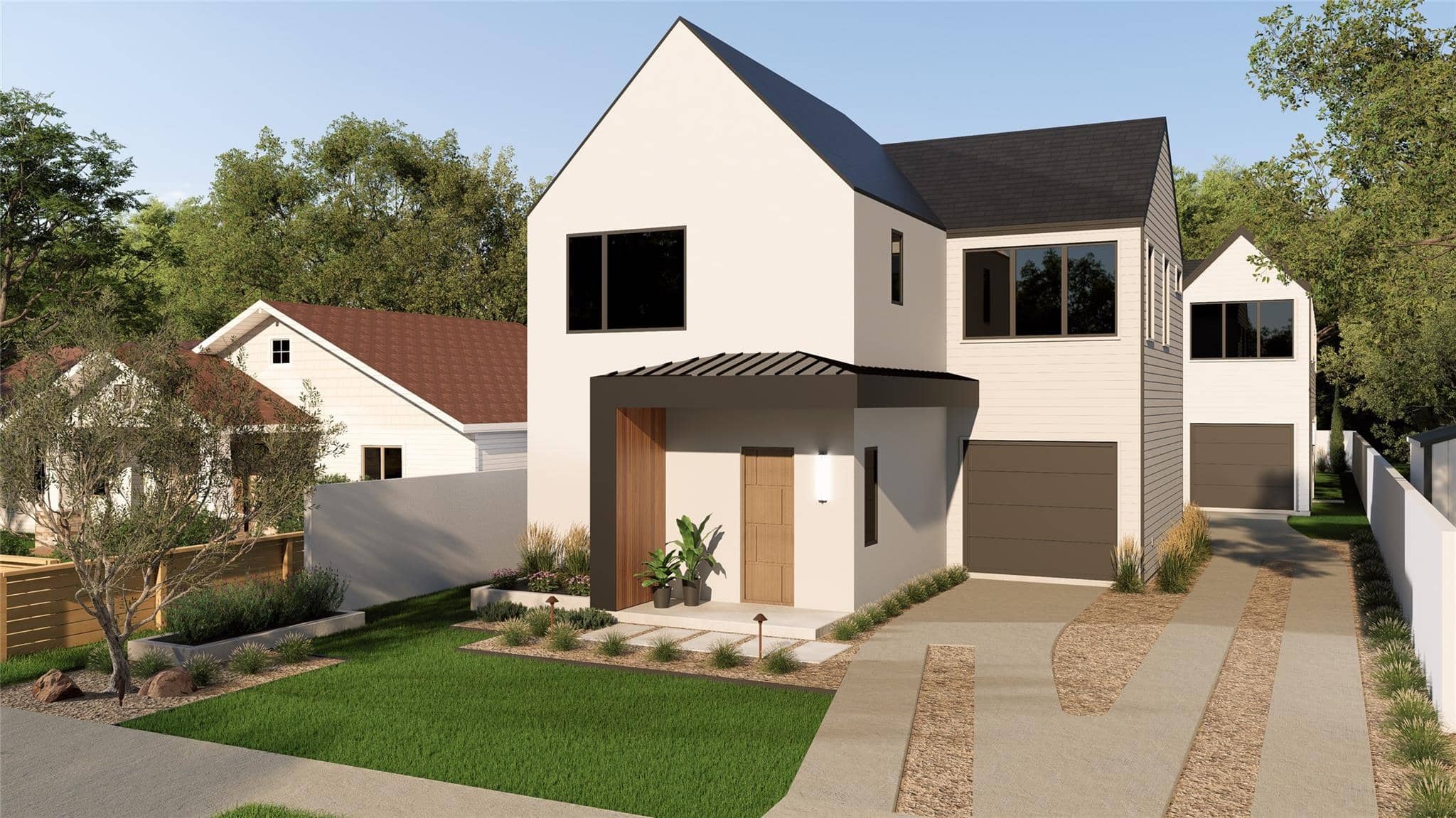
1117 Gunter #1
$799,000
Single Family Residence · 78702 · 8 days · listed by Compass RE Texas, LLC
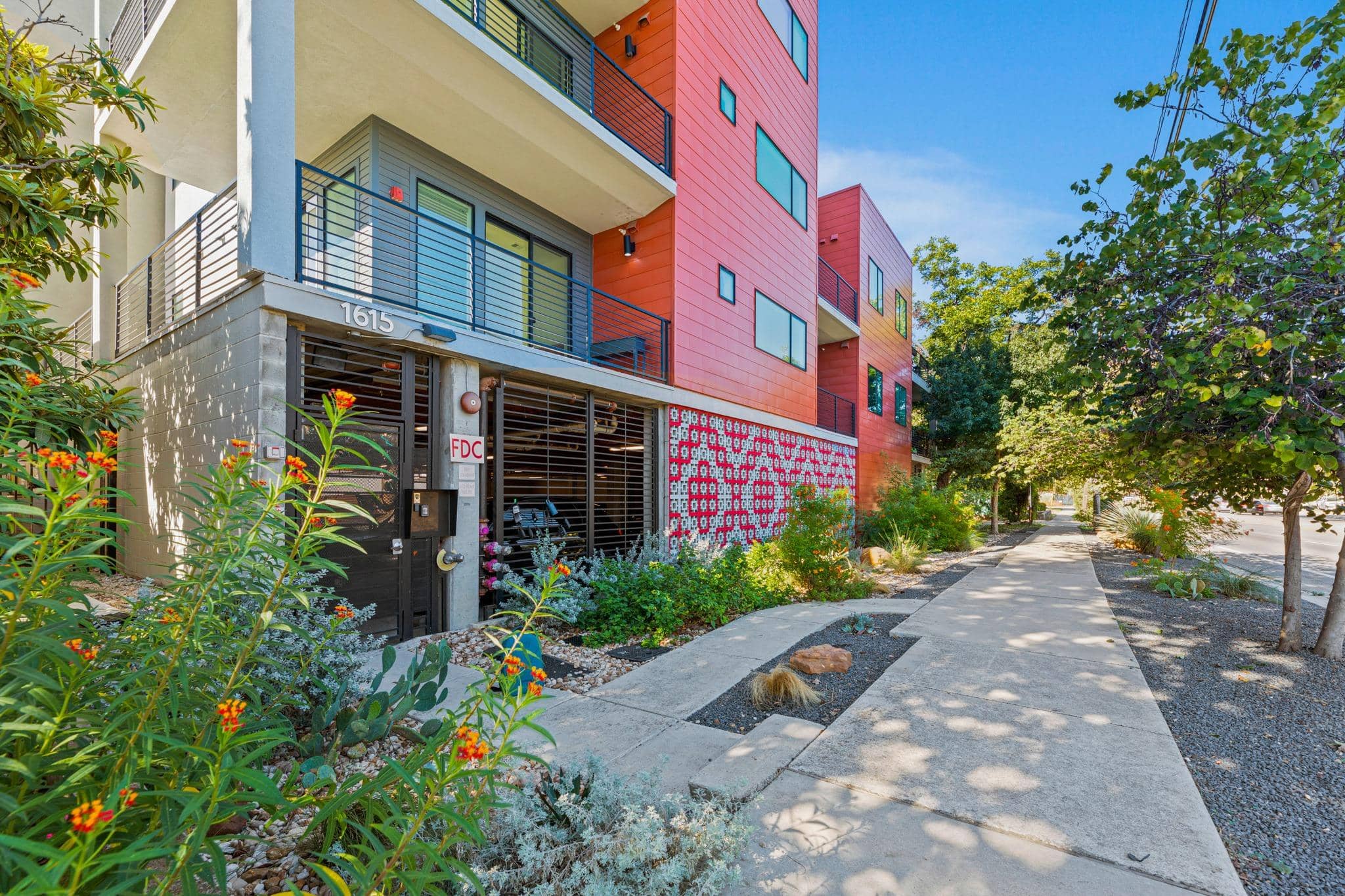
1615 7th #202
$385,000
Condominium · 78702 · 8 days · listed by Realty of America, LLC
Listed by All City Real Estate Ltd. Co; Compass RE Texas, LLC; JBGoodwin REALTORS WL; Kifer Sparks Agency, LLC; Real Estate Executives of Aus; Realty of America, LLC; SMART LINK REALTY; eXp Realty, LLC.
Drag to pan, pinch or use the buttons to zoom. Hover a price for a preview and click it for the listing, or tap it on a touchscreen. Every one of these is also in the grid above.
Inside it
The neighborhoods of 78702
Each one written up on its own, with its listings selected by the City’s own planning boundary rather than by a line drawn to suit the page.
- East Cesar ChavezBetween the interstate and Holly, the closest of the eastside neighborhoods to downtown and the first to feel every change in it.
- HollyThe lakeshore neighborhood that spent 47 years looking at a power plant and now looks at the park that replaced it.
- GovalleEast of Pleasant Valley along Boggy Creek, the largest supply of eastside inventory and the one where the floodplain map matters most.
- RosewoodNorth of East Twelfth around Rosewood Park, the heart of the district the 1928 plan created and the slowest part of it to turn over.
- ChestnutA small grid east of Chicon, mid-century and modest, and the eastside neighborhood where the HOME ordinance is most visible block to block.
- Central East AustinSwede Hill, Robertson Hill and the blocks around Huston-Tillotson, the oldest built fabric east of the interstate.
The one figure
The effective property tax rate is 2.0464 percent of appraised value for tax year 2025, across Austin ISD, the City of Austin, Travis County, Central Health and Austin Community College. It is the same rate in every central ZIP. What is not the same is the appraised value under it, and in a ZIP where the appraisal on a lot can change faster than the house on it, the protest deadline in May is worth a calendar entry.
The market figures above come straight from the MLS with their own timestamp, and they change daily; this is the one figure on the page that does not. What is published about 78702 is a median, and it is published everywhere. What is not published is what the lot next door is zoned for, which crossing of the highway a block uses, and whether the house is inside the new floodplain line. The affordability figures, with this ZIP’s tax rate already in them, are on the buying page.
Nearby
The other four central ZIPs
- 78701Downtown, Rainey Street, Seaholm and Second StreetDowntown · Rainey Street · Seaholm · Second Street
- 78703Tarrytown, Clarksville, Old Enfield and PembertonTarrytown · Clarksville · Old Enfield · Pemberton
- 78704SoCo, Bouldin, Zilker, Travis Heights and Barton HillsSouth Congress · Bouldin Creek · Zilker · Travis Heights · Barton Hills
- 78705West Campus and North UniversityWest Campus · North University · Hyde Park edge
Listings courtesy of Unlock MLS as distributed by MLS GRID
Based on information submitted to the MLS GRID as of October 17, 2026 at 8:56 AM CDT. All data obtained from various sources and may not have been verified by broker or MLS GRID.
Any use or search of data on the website, other than by a consumer looking to purchase real estate, is prohibited.